Quick answer: P0231 on a 6.0L Powerstroke means “Fuel Pump Secondary Circuit Low.” The PCM sees low voltage on the fuel pump feedback circuit. Check the fuel pump fuse and relay first. Then check the wiring and connectors at the HFCM on the driver-side frame rail, then the pump itself. Replace the PCM last.
P0231 is a generic diagnostic trouble code (DTC) that can show up on a 6.0 Powerstroke. Several faults can set it, and it can lead to hard starts, stalling or a no-start. When you see this code, start by learning what it means on the Powerstroke 6.0.
The p0231 code on 6.0 Powerstroke means the fuel pump circuit has low voltage on the secondary (feedback) side. A failed fuel pump relay is one possible cause because it can leave the fuel pump without enough power. Blown fuses, damaged wiring, a weak pump and a faulty PCM can also set the code.
So, what are the other causes, and how can they be fixed? The sections below cover each cause, how to test for it and how to fix it, in the order that saves you the most time and money.

What Does p0231 Code Mean On 6.0 Powerstroke?
The OBD-2 diagnostic trouble code p0231 on the 6.0 Powerstroke stands for fuel pump secondary circuit low. This code is about the electrical circuit that powers the fuel pump.
In the 6.0 Powerstroke, the fuel pump works electrically. It is powered through a fuse and a relay. In a typical setup, the powertrain control module (PCM) switches the fuel pump relay on when you turn the key, and the relay sends battery power to the pump.
The PCM watches a feedback (secondary) circuit to confirm the pump is getting power. If the voltage on that circuit is lower than expected, the PCM sets DTC p0231.
Here’s a breakdown of the code to understand what each digit means:
- P = Powertrain (Transmission and Engine)
- 0 = It defines the code as generic or global
- 2 = It means the problem is with fuel and air metering (injector circuit group)
- 31 = Identifies the exact problem ( In this case, low voltage in the secondary fuel pump circuit)
Which Vehicles Use The 6.0L Powerstroke?
The 6.0L Power Stroke diesel was used in these Ford vehicles, according to DieselHub:
- 2003-2007 Ford F-250, F-350, F-450 and F-550 Super Duty
- 2003-2005 Ford Excursion
- 2004-2010 Ford E-350 and E-450 Econoline (E-Series)
Part locations can differ between the Super Duty, Excursion and E-Series. Always confirm fuse, relay and module locations for your exact vehicle before you start.
Where Is The Fuel Pump On A 6.0 Powerstroke?
The fuel pump on a 2003-2007 6.0L Powerstroke truck is not in the fuel tank. The electric fuel (lift) pump is part of the Horizontal Fuel Conditioning Module (HFCM). The HFCM is mounted on the driver-side frame rail.
The 6.0L fuel system has two parts that matter for this code:
- Low-pressure side: The HFCM on the frame rail holds the electric lift pump and the primary fuel filter. This is the pump P0231 is about.
- Secondary fuel filter: It sits on top of the engine. On Super Duty trucks it is on the driver side, just forward of the oil filter housing.
- Injectors: The 6.0L injectors are fired by high-pressure engine oil, not by a separate high-pressure fuel pump. So the electric lift pump is the part that keeps fuel flowing to the engine.
Because the pump and its wiring live on the frame rail, they are exposed to road water, salt and debris. That makes the HFCM connector and the harness along the frame a smart place to look when P0231 sets.
How Serious Is Code p0231 On 6.0 Powerstroke?
P0231 is a moderate to serious code. It points to a problem in the circuit that powers the fuel pump. If the pump does not get enough power, the engine may not get enough fuel.
Furthermore, the engine may stall or sometimes stop starting. Engine misfires can also happen when the p0231 code is activated.
What Causes Code p0231 On 6.0 Powerstroke?
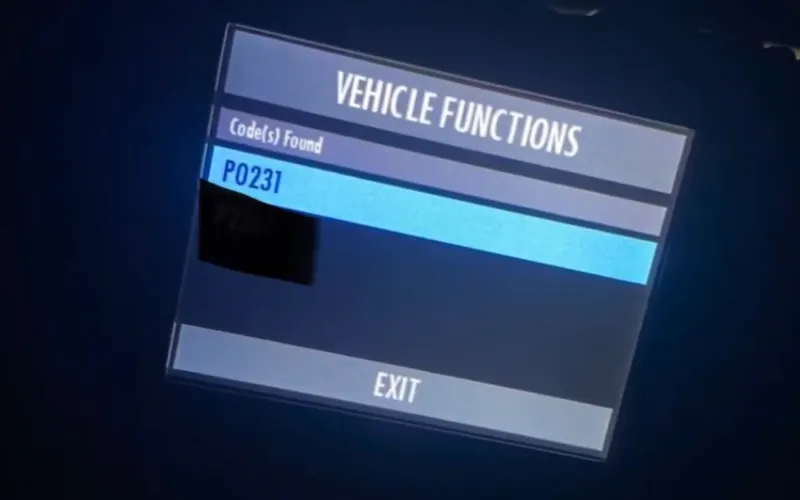
Several faults can make the 6.0 Powerstroke set code P0231. The usual causes are the following:
- Defective fuel pump relay
- Damaged fuel pump harness
- Blown fuel pump fuse
- Loose or broken connectors
- Open fuel pump secondary/feedback circuit
- A bad fuel pump
- Faulty Engine Control Module (ECM/PCM)
Can A Bad Fuel Pump Relay Cause P0231?
Yes. A defective fuel pump relay is a listed cause of P0231. If the relay contacts are worn or burnt, they can pass less voltage to the pump. The PCM sees that low voltage on the feedback circuit and sets the code. A relay is also cheap and easy to test, so it is one of the first things to check.
Other Symptoms Of Getting p0231 Code On 6.0 Powerstroke
The most common symptom of getting the p0231 code on a Powerstroke 6.0 is the check engine light turning on. Some other potential symptoms may include:
- No start condition for the engine
- Engine stalling
- Inadequate fuel supply
- Engine misfire
P0231 Causes, Fixes And DIY Difficulty At A Glance
| Cause | Common signs | Fix | DIY difficulty |
|---|---|---|---|
| Blown fuel pump fuse | No start, pump does not run | Replace fuse; find out why it blew | Easy |
| Bad fuel pump relay | No start or intermittent stalling | Swap or replace relay | Easy |
| Loose or corroded connector | Intermittent code, stalling | Clean, reseat or repair connector | Easy to moderate |
| Damaged harness or open feedback circuit | Code returns after clearing | Repair wiring | Moderate |
| Failed HFCM fuel pump | No start, low fuel delivery, misfire | Replace pump or HFCM on frame rail | Moderate |
| Faulty PCM | Code stays after all other checks pass | Replace and program PCM | Hard (needs programming) |
How Do You Diagnose P0231 On A 6.0 Powerstroke?
Test before you replace parts. Work from the cheapest and easiest checks to the most expensive. You will need a scan tool, a digital multimeter or test light, and the wiring diagram for your vehicle.
- Read and record all codes. Save freeze frame data if your scan tool shows it. Note any other fuel pump or fuel pressure codes. If only P0231 is present, the problem is likely electrical.
- Check the fuel pump fuse. Look at it, then test both sides with a test light or multimeter with the key on. If it is blown, replace it. If the new one blows too, look for a short in the wiring or a seized pump.
- Check the fuel pump relay. Swap it with an identical relay from the same box, if your diagram shows one with the same part number. If the code clears or the pump starts running, replace the relay.
- Check relay output. With the key on, measure voltage at the relay output terminal while the PCM commands the pump on. It should be close to battery voltage. If it is low, the relay or its supply is the problem.
- Check voltage at the HFCM connector. Back-probe the pump power wire at the HFCM on the driver-side frame rail while the pump is commanded on. If you have battery voltage at the relay but low voltage here, the wiring between them has resistance or damage.
- Check the ground. Do a voltage drop test on the pump ground wire while the pump runs. A large drop means a corroded or loose ground.
- Check the feedback circuit. Use the wiring diagram to find the feedback wire that runs back to the PCM. Check it for continuity and for shorts to ground with the key off and connectors unplugged.
- Test the pump. If the pump gets full voltage and a good ground but does not run, or runs weakly, the pump is likely bad.
- Suspect the PCM last. Only consider the PCM after every circuit test passes and the code still returns.
How Do You Test The HFCM Fuel Pump?
Test the HFCM pump in three parts: power, ground and output.
- Listen: Have a helper turn the key on while you listen near the driver-side frame rail. You should hear the pump run briefly.
- Power and ground: Back-probe the HFCM connector while the pump is commanded on. Confirm near-battery voltage on the power wire and a low voltage drop on the ground.
- Fuel pressure: Connect a fuel pressure gauge and compare the reading to the spec in Ford service information for your model and year. Low pressure with good voltage points to a weak pump or a clogged filter.
While you are at the HFCM, check the primary fuel filter. A badly clogged filter can make the pump work harder.
Where Can The Wiring Get Damaged?
Look closely anywhere the fuel pump harness runs along the frame or passes near metal edges, clips or brackets. Rubbed-through insulation, green corrosion inside connectors and broken clips are all warning signs. Also check with a Ford dealer or a service information source for any technical service bulletins (TSBs) that apply to your VIN.
How To Fix p0231 Code On 6.0 Powerstroke?
As we mentioned above, the p0231 code on 6.0 Powerstroke can be triggered by several issues. So, if you want to correct the code, confirm the cause with the tests above and then use the matching fix below:
1. Replacing faulty fuel pump relays
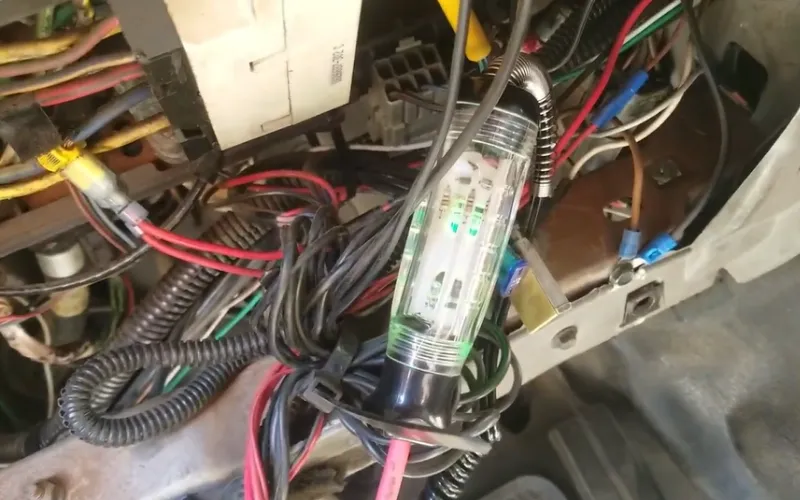
In a 6.0 Powerstroke, the fuel pump relay supplies power to the fuel pump, like in other modern vehicles. When the relay fails to deliver enough power, the p0231 fault code can appear.
So, whenever you notice this code, check the relay early and replace it if it is bad. Here are the steps to follow while replacing a bad fuel pump relay:
- Step 1: Disabling the power supply
First of all, turn the ignition switch off and remove the key from the ignition. Then open the hood and disconnect the negative battery cable so power can’t flow to the fuel system. The 6.0L uses two batteries, so disconnect both negative cables.
- Step 2: Look for the fuse box
Now, locate the fuse box where the fuses and relays are mounted. On many trucks it is under the hood. Remove the fuse box cover. Unclip or unscrew whatever holds the cover in place and lift it off.
- Step 3: Locate the fuel pump relay
After that, find the fuel pump relay. There are many relays and fuses in the box, so do not guess.
If you’re not sure which one is the fuel pump relay, use the diagram on the fuse box cover or the owner’s manual.
- Step 4: Remove the bad relay
Once you locate the fuel pump relay, firmly grab the old relay and pull it out. If it is hard to remove, use a pair of needle nose pliers so you can pull it out more easily.
- Step 5: Insert the new fuel pump relay
After removing the old relay, plug in the new fuel pump relay in the same position. Make sure the part number matches the old one.
Put the fuse box cover back on and reconnect the battery cables. Then turn the ignition switch on, clear the code and check whether it returns.
2. Replace blown fuel pump fuses
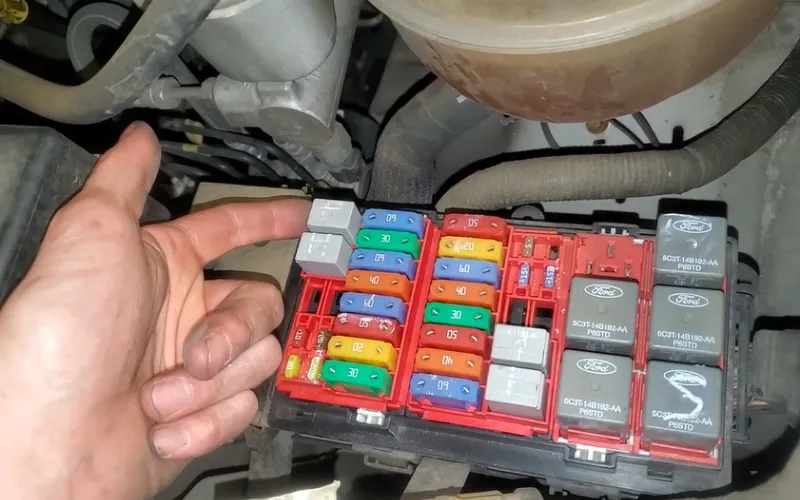
If you find the fuel pump relay is fine, the p0231 code on the Powerstroke 6.0 can be caused by a blown fuel pump fuse. So, check the fuse and replace it if needed.
To check and replace a fuel pump fuse, here are the instructions you can follow:
- Step 1: Disconnect the ground battery cable
Before you go further, take the negative battery cables off to cut power to the ignition and fuel system.
- Step2: Locate the fuse box
Next, find the fuse box. Use the owner’s manual to see which fuse panel holds the fuel pump fuse on your vehicle.
- Step 3: Locate the fuel pump fuse
Inside the fuse box, you’ll see several fuses of different colors. The color shows the amp rating, not the circuit. To find the fuel pump fuse, check the fuse box diagram or the owner’s manual.
- Step 4: Remove the faulty fuel pump fuse
Once you find the fuse, it’s time to take it out. Use a fuse pulling tool or small needle nose pliers. Hold the fuse with the tool and pull it straight out.
After removing the fuse, check whether it is blown. There is a metal strip inside the fuse body. If the strip is broken, the fuse needs to be replaced.
- Step 5: Install the new fuel pump fuse
If the old fuse is blown, install a new fuse in the same spot. Before you install it, make sure it has the same amp rating as the old one. Never use a higher-rated fuse. Once it is in, turn on the ignition switch and see if the code clears. If the new fuse blows again, there is a short in the wiring or a failing pump. Find that before you replace the fuse again.
3. Repair fuel pump harness
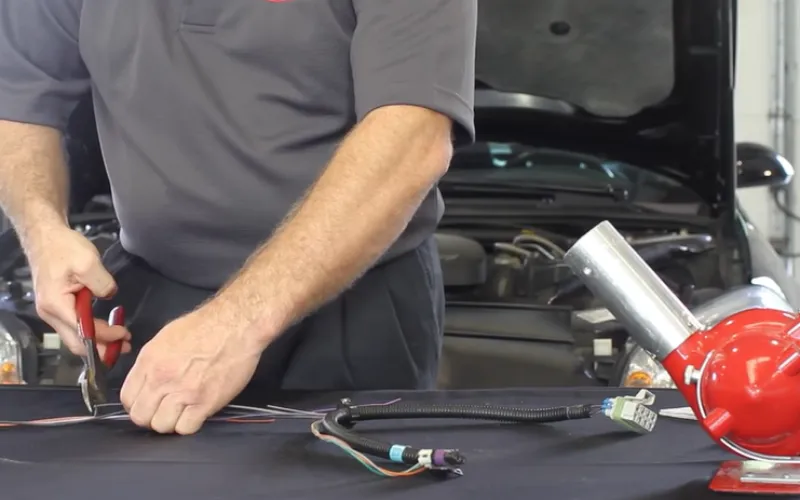
The fuel pump harness carries power to the fuel pump. If the harness is damaged, the voltage can drop, and the PCM sees low voltage on the feedback circuit.
So, repair or replace the harness section when you find it faulty. To do so, go through the following guidelines:
- Start by disconnecting the batteries and then disconnecting the wire harness from the fuel pump at the HFCM.
- Remove the old wire harness section and conduit.
- Strip back enough of the conduit and tape to reach good, undamaged wire before you start cutting.
- Stagger the splices by about 3 inches so they don’t stack up in one spot. Use the right size of connector for each wire.
- Twist the wire.
- Crimp the vehicle wire to the new wiring. Make sure each crimp is solid.
- Shrink the insulation with a heat gun
- Insert the conduit you removed before and re-tape the wires. Secure the harness so it cannot rub on the frame again.
4. Repair connectors
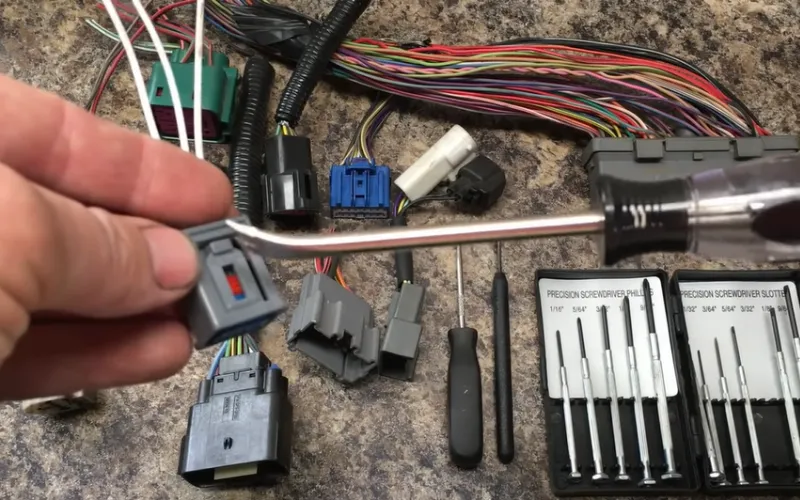
The power supply can also be cut off if connectors or ground bolts are loose, corroded or broken. So, visually inspect the connectors in the fuel pump circuit, especially the HFCM connector on the frame rail.
If you find a problem, clean the terminals, reseat the connector and tighten any loose grounds. Replace damaged connectors. Then start the engine and check to see if the problem is solved.
5. Replace the Faulty fuel pump
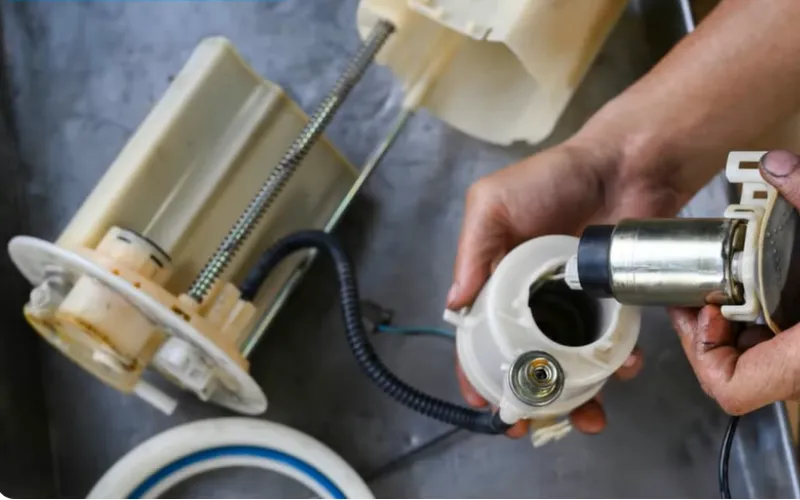
If the fuse, relay, wiring and grounds all test good but the code stays, the fuel pump is the next suspect. Confirm the pump gets full voltage and a good ground before you replace it. You do not need to drain or drop the fuel tank for this job. The pump is part of the HFCM on the driver-side frame rail. If you want to do the job yourself, here’s the general procedure. Follow the Ford service procedure for your exact vehicle:
- Step 1: Ensure your safety
Working on a fuel system calls for care. Diesel fuel can irritate skin and eyes and is a fire risk. So, work in a well-ventilated area, keep sparks and flames away, and wear gloves and safety glasses.
You should also disconnect the negative battery cables and make sure the ignition switch is off. Have rags and a drain pan ready for spilled fuel.
- Step 2: Locate the fuel pump
In a 6.0 Powerstroke, the electric fuel pump is part of the Horizontal Fuel Conditioning Module (HFCM). The HFCM is mounted on the driver-side frame rail, not inside the fuel tank. Look under the truck along the driver-side frame to find it.
- Step 3: Prepare the work area
Clean dirt and road grime off the HFCM and its fittings before you open anything. This keeps debris out of the fuel system. Place a drain pan under the module.
- Step 4: Disconnect the HFCM
Unplug the electrical connector from the HFCM. Disconnect the fuel lines as the service procedure describes. Expect some fuel to drain out.
- Step 5: Remove the bad fuel pump
Depending on the replacement part you bought, either unbolt the HFCM from the frame rail and replace the whole module, or service the pump in place. Follow the instructions that come with your part.
- Step 6 : Install the new fuel pump
Before you install the new pump or module, compare it with the old one. Make sure the connectors, fittings and mounting points match. Then install it and tighten the fasteners to spec. This is also a good time to replace the primary fuel filter, since it sits in the same module.
Reconnect the fuel lines and the electrical connector, then reconnect the battery negative cables. If you need to add fuel, refill the tank with diesel fuel only. Never put gasoline in a 6.0L Power Stroke. Prime or bleed the fuel system as the service procedure says before you try to start the engine. Then start it, check for leaks at the HFCM, and confirm the code does not return.
6. Replace bad ECM
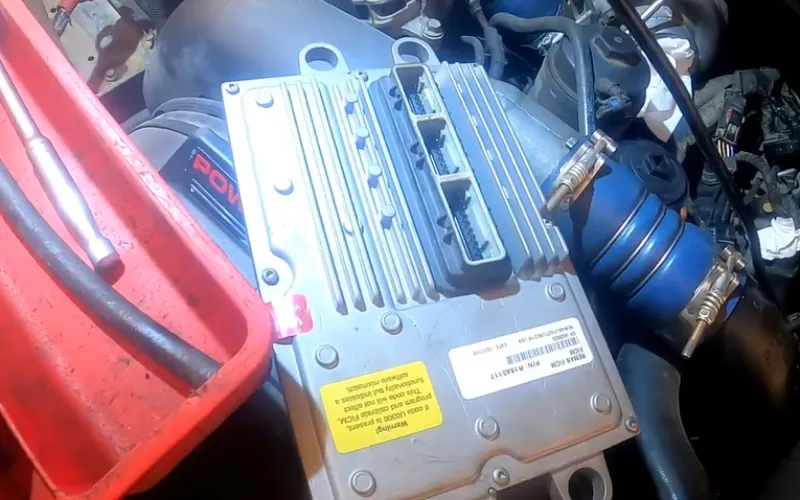
When every other part tests good but your truck still sets code p0231, the PCM (often called the ECM) may be at fault. A failed module can misread the feedback circuit or fail to drive the relay.
PCM failure is the least likely cause, so rule out everything else first. A replacement PCM also needs programming before the truck will run right. Below is the general replacement procedure:
- Disconnect the battery connection to the vehicle
- Locate the PCM. Its location can differ between the Super Duty, Excursion and E-Series, so check the service information for your vehicle.
- Now disconnect the electrical connections from the PCM body
- Loosen the fasteners with a socket wrench and remove the bad module.
- Install the new module and tighten the bolts to hold it in place.
- Reconnect the electrical connections with the PCM body
- Reconnect the batteries. Then have the new PCM programmed with Ford IDS or by a shop that can do it before you rely on the truck.
Does A Replacement PCM Need To Be Programmed?
Yes. A replacement Ford PCM does not work just by bolting it in. Its vehicle ID (VID) block arrives blank and must be programmed. The data can be transferred from the old PCM, or entered manually (VIN, calibration and vehicle settings). This needs Ford IDS or a shop with the right equipment, such as a dealer.
How Do You Clear P0231 And Confirm The Fix?
- Connect a scan tool and clear the stored codes after the repair.
- Turn the key on and confirm the fuel pump runs.
- Start the engine and let it idle. Watch for stalling or rough running.
- Take a normal drive that includes idle, city and highway speeds.
- Rescan for pending and stored codes. If P0231 does not return, the repair is confirmed.
If the code comes back, the fault was not fully fixed or there is a second problem. An intermittent wiring fault is a common reason a code returns, so recheck connectors and the harness along the frame.
What Is The Difference Between P0230, P0231 And P0232?
These three codes all deal with the fuel pump electrical circuit, but they point to different faults:
- P0230: A generic fuel pump primary circuit fault. It usually points to the control side of the circuit, such as the relay control.
- P0231 (Fuel Pump Secondary Circuit Low): The PCM sees too little voltage on the secondary/feedback circuit. Look for opens, high resistance, bad relays or a blown fuse.
- P0232 (Fuel Pump Secondary Circuit High): The PCM sees too much voltage on that circuit. This often points to a short to power or a relay stuck on.
Code definitions can vary slightly by scan tool. Always read the exact description your tool gives for your VIN.
Which Other Codes Can Show Up With P0231?
P0087 (Fuel Rail/System Pressure Too Low) is a fuel delivery code. It can appear if the pump is not supplying enough fuel. Codes such as P0201, P0267 and P0268 are injector circuit codes, and P0030 is an O2 sensor heater control circuit code. Those are not fuel pump circuit codes, so diagnose them separately.
How Much Does It Cost To Fix 6.0 Powerstroke p0231 Code?
The total cost of fixing the 6.0 Powerstroke p0231 code depends on two main factors.
They are the diagnosis cost and the repair cost, which includes labor and parts. Diagnosis cost depends on how long it takes to find the fault and on your shop’s labor rate. Intermittent wiring faults usually take longer to find.
The repair cost depends on the part that failed. A fuse or relay is the cheapest fix. Wiring repair cost depends on how much harness is damaged. A fuel pump or HFCM costs more, and a PCM is usually the most expensive because it also needs programming. Get a written quote before approving the work.
Can You Drive Your 6.0 Powerstroke With Code p0231?
It is not a good idea. P0231 can cause a no-start, stalling or misfires. If the engine does start, it may stall while you are driving, which can be dangerous in traffic.
Some trucks may still run if the fault is intermittent, but that is not a reason to keep driving. A truck that stalls can leave you stranded.
So, when you find this code on your truck, fix it first and then drive.
FAQs
Do you want to know more about the code p0231 on Powerstroke 6.0? Well, here are some other common questions with short answers that may come frequently to your mind.
What Other DTC Codes Are Related To Fuel Pumps?
P0232 (Fuel Pump Secondary Circuit High) is the direct partner code to P0231. P0087 (Fuel Rail/System Pressure Too Low) is fuel delivery related. Codes P0201, P0267 and P0268 are injector circuit codes, and P0030 is an O2 sensor heater code, so they are not fuel pump codes.
What Causes Continuous P0231 On The 6.0 Powerstroke?
If P0231 keeps coming back after you clear it, the most likely cause is damaged or corroded wiring or a loose connector in the fuel pump circuit, such as at the HFCM on the driver-side frame rail.
Where Is The Fuel Pump Relay On The 6.0 Powerstroke?
In the 6.0 Powerstroke, the fuel pump relay is in a relay box. Check the diagram on the fuse box cover or your owner’s manual to find its exact position for your model and year.
Conclusion
P0231 on a 6.0 Powerstroke means the PCM sees low voltage on the fuel pump secondary circuit. The fix can be as simple as a fuse or relay, or it can be wiring, the HFCM pump or, rarely, the PCM. Fix it soon, because it can cause stalling and no-starts.
Several faults can set this code, so test in order: fuse, relay, voltage at the HFCM, grounds, feedback wire, pump, then PCM. Don’t replace any part until a test shows it is bad.
If you’re not comfortable testing circuits or working on the fuel system, take the truck to a qualified diesel shop. If the PCM needs replacing, you will need a dealer or a shop that can program it. But many of the checks above are well within reach for a careful DIYer.
- Read Also>>How to Find 6.0 Powerstroke Sensor Locations? Full Details
- Read Also>>What Does P1249 Code Mean On 6.7 powerstroke? Cause & Fix
- Read Also>>What Does P0471 Code on 6.7 Powerstroke Mean? (How To Fix)
- Read Also>>P0275 Code On 6.0 Powerstroke: Meaning And How To Fix It?
- Read Also>>What Does P00BD Code on 6.7 Powerstroke Mean? (How to Fix)