
Quick answer: P0113 on a 6.0L Powerstroke means the PCM sees a high voltage signal from the intake air temperature (IAT) sensor circuit. Live data often shows an IAT reading of about -40°F. The usual causes are an unplugged or damaged connector, broken or corroded wiring, or a failed sensor. Check the wiring before you buy parts.
DTC (Diagnostic Trouble Code) P0113 on the 6.0 Powerstroke points to a problem in the IAT sensor circuit. The code is usually not an emergency, but you should fix it sooner rather than later. Let’s start with what the code means.
The code P0113 on the 6.0 Powerstroke means the PCM (powertrain control module) detects a higher-than-normal voltage from the intake air temperature sensor circuit. Many 6.0 trucks use two intake air temperature sensors. IAT1 is usually built into the mass airflow (MAF) sensor. A loose connector, a broken wire or a failed thermistor in the sensor is often behind the code.
Below, we cover what the code means, how serious it is, how to test the circuit, how to fix it, and what it may cost.

What Does P0113 Code Mean On 6.0 powerstroke?
P0113 means “Intake Air Temperature Sensor 1 Circuit High.” The PCM has seen a voltage from the IAT sensor circuit that is higher than it should be (Edmunds).
The 6.0L Powerstroke was used in 2003–2007 Ford Super Duty trucks. It was also used in the Ford Excursion and E-Series vans. P0113 means the same thing on all of them.
PCM is the brain of the truck. It manages important parts of the engine by using information from different sensors. Examples include temperature sensors, oil pressure sensors, speed sensors and many others.
The intake air temperature (IAT) sensor is one such sensor. It measures the temperature of the air entering the engine. The PCM sends the sensor a reference voltage and reads the voltage that comes back. If the returning voltage is higher than the factory limit, the PCM sets the code.
Each part of the code tells you either the system or the type of fault. If we break it down, it stands for:
- P = Powertrain
- 0 = It is a generic code that derives from the SAE
- 1 = It indicates the system with the fault (fuel and air metering).
- 13 = It indicates a specific fault index. In our case, PCM detects more voltage than the predetermined amount.
Why does a high voltage mean “very cold air”?
The IAT sensor is a thermistor. Its resistance changes with temperature, so the signal voltage changes too. Cold air gives a high voltage. Warm air gives a low voltage.
When the circuit is open, the signal stays stuck near 5 volts. The PCM reads that as intake air of about -40°F. A -40°F IAT reading in live data is the classic sign of an open circuit or an unplugged sensor (YourMechanic).
What voltage sets P0113?
The exact set point varies by manufacturer. One factory procedure sets the code when IAT voltage stays above 4.91 V for 0.5 seconds or more (factory P0113 procedure). Others use about 4.5 V. Check the Ford service manual for the exact 6.0L threshold and the resistance-versus-temperature chart for your sensor.
Where Is the IAT Sensor on a 6.0 Powerstroke?
Many 6.0 trucks have two intake air temperature sensors:
- IAT1: usually built into the MAF sensor in the intake tube after the air filter box. P0113 refers to this sensor.
- IAT2: a separate sensor located elsewhere in the intake system.
Locations can differ by model year and body style. Confirm them in the Ford service information for your truck before you unplug anything.
How do you tell which sensor triggered the code?
Use a scan tool that shows live data. Look at the IAT1 and IAT2 readings with the engine cold. On a cold engine, both should read close to outside air temperature. The sensor that reads about -40°F is the one with the open circuit.
Can a bad MAF sensor cause P0113?
Yes, it can. If IAT1 is built into the MAF, a failed thermistor inside the MAF or a bad MAF connector can set P0113. In that case, the fix is often to replace the MAF sensor assembly. Check the connector and wiring first, since they are cheaper to fix.
How Serious Is Code p0113 On 6.0 powerstroke?
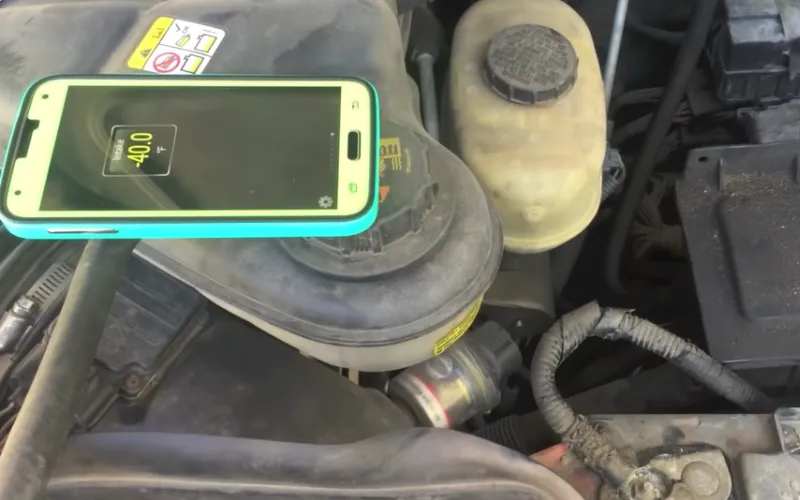
P0113 is usually not an emergency. Still, that does not mean you should delay fixing it. Wrong sensor data can hurt how the engine runs and how much fuel it uses.
P0113 does not make the engine overheat. The real problem is bad data. A circuit stuck at high voltage makes the PCM think the intake air is very cold, about -40°F. The PCM may then miscalculate air density and fueling (YourMechanic). That can lead to poor running and, on some trucks, harder starts.
Poorer fuel economy is another possible result. Plan the repair soon instead of driving for weeks with the code set.
What Causes Code p0113 On 6.0 powerstroke?
Many people assume a faulty sensor is the main reason P0113 appears on the 6.0 Powerstroke. Before you replace the sensor, check the wiring harness and connector. Look for looseness, tears and corrosion. An open circuit anywhere between the sensor and the PCM will push the voltage high.
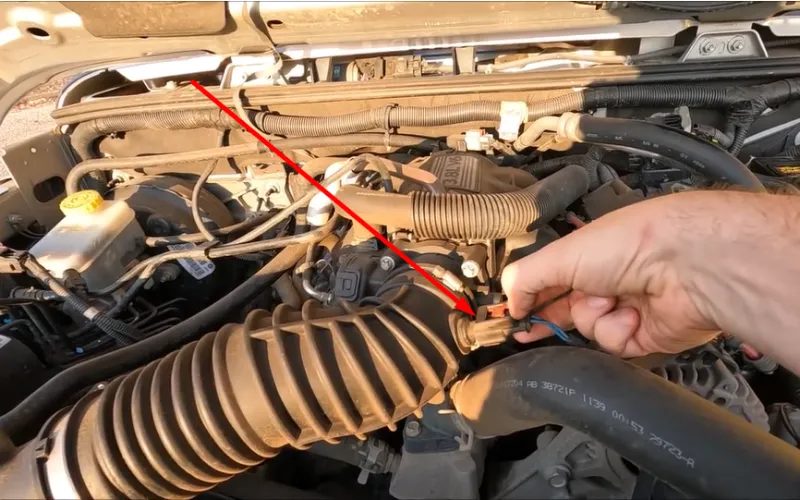
Other possible causes include the following:
- PCM failure (rare)
- Clogged air filter (less likely to set this code directly)
- Faulty MAF sensor (with the built-in IAT1)
- Corroded wire
- Unplugged or loose sensor connector
Can an oiled cold air intake filter cause P0113?
It can play a part. An over-oiled aftermarket filter can leave oil on the MAF sensor and its built-in IAT. Installing a cold air intake can also leave a connector loose or a wire stretched. If the code showed up after an intake install or a filter cleaning, check those areas first. Make sure the connector is fully seated and the harness is not pulled tight.
Other Symptoms Of Getting p0113 Code On 6.0 powerstroke
The most obvious symptom of P0113 on the 6.0 Powerstroke is that the check engine light comes on.
Some owners also report trouble starting the engine. You might have to try a few times before it fires up. Many trucks show no running problem at all besides the light.
Other symptoms that may show up include the following:
- Rough running
- Increased fuel consumption
- Wrong fueling because the PCM thinks the air is very cold
- Multiple attempts are required to start the engine
- Possibly more smoke or emissions
- IAT reading of about -40°F on a scan tool
How To Fix The p0113 Code On The 6.0 Powerstroke?
There are two ways to fix this code on the 6.0 Powerstroke. You can do it yourself (DIY), or you can take it to a mechanic you trust.
The DIY route is harder if you have no experience with electrical testing. If you want to try, you need a few tools. You need a scan tool that can read codes and live data, and a digital multimeter to check voltage and resistance.
Notes: If you go the DIY route, get the Ford service manual or wiring diagram for your exact truck. It shows the pin numbers and the specs you need.
Should you fix P0113 yourself or go to a shop?
- DIY makes sense if: you own a scan tool with live data and a multimeter, and the problem is a loose connector, a visible broken wire, or a sensor swap.
- Go to a shop if: the connector and sensor test fine but the code returns, the wiring fault is hidden inside the harness, or the PCM is suspected.
- Go to a shop if: other codes are set at the same time and you are not sure which one to chase first.
Diagnostic
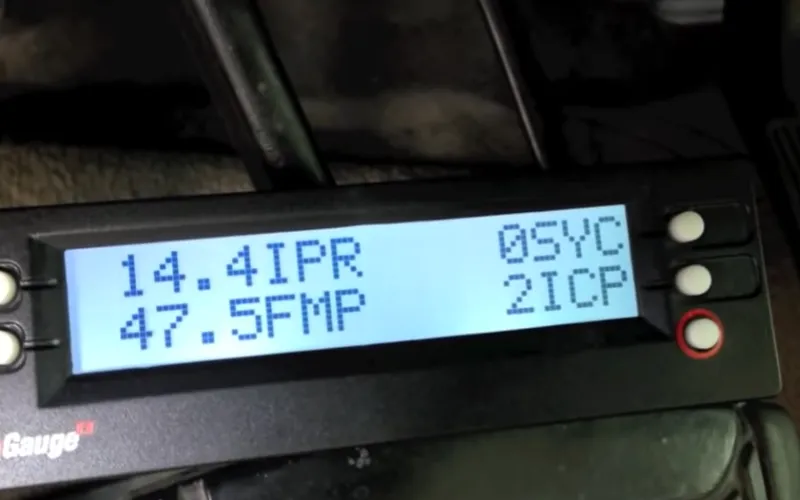
The diagnostic steps below are for general information. Always follow the Ford procedure for your truck. Knowing these steps still helps you.
First, you can follow what the mechanic is doing, and next time you may be able to do the job yourself. Second, you won’t panic the next time you see the code.
Scan the System and Clear the Codes
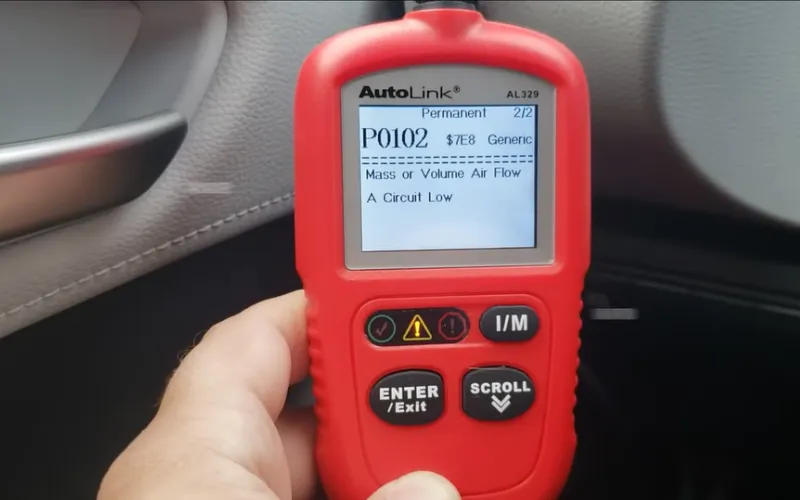
Scanning the system is the first thing an expert does. It shows the fault, any related codes and the freeze frame data. Write this data down.
Next, clear all the codes and test drive the vehicle. After the test drive, check whether any of the cleared codes come back. If P0113 returns, move to the next step.
Check IAT Live Data
With the key on and the engine cold, read IAT1 (and IAT2, if listed) on your scan tool. Compare it to the outside air temperature.
- Reads close to outside temperature: the fault may be intermittent. Wiggle the harness and connector while you watch the reading.
- Reads about -40°F: the circuit is open. Check the connector, the wiring and the sensor.
Carry Out the Resistance Test
A bad sensor might look fine on the outside. A resistance test tells you whether the IAT sensor itself is defective. Unplug the sensor. Set your multimeter to ohms and place the red and black leads on the two IAT pins at the sensor.
Compare your reading to the resistance-versus-temperature chart in the manual. Resistance should go down as the sensor warms up. An infinite reading (open) means the sensor has failed. A reading far off the chart also points to a bad sensor.
How do you test the wiring at the connector?
If the sensor tests good, check the harness side of the connector. Use the wiring diagram to find the right pins.
- Unplug the sensor and turn the key on, engine off.
- Measure the voltage on the IAT signal pin to a good ground. You should see the reference voltage, about 5 volts. No voltage points to an open signal wire or a PCM problem.
- Check the signal ground (return) pin. With the key off, measure resistance from that pin to the matching PCM pin, or to ground as the diagram directs. A high reading means a broken or corroded ground wire.
- Check the signal wire for continuity from the sensor connector to the PCM connector. An open wire will keep the voltage high and set P0113.
Pinpoint Test
Sometimes a mechanic runs the Ford pinpoint test. It follows a strict step-by-step chart, and it is hard to do without experience and the factory manual.
Fixing
Once you know the cause, the fix is usually simple. Here are the common fixes owners make after P0113 sets on a 6.0 Powerstroke. They involve cleaning, repairing and replacing parts.
1. Repair Damage and Burnt Wire To the Sensor
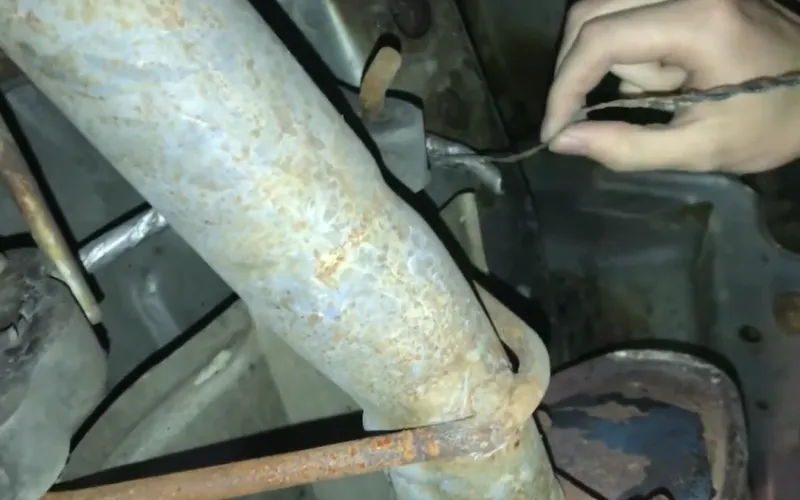
It is tempting to skip this step and just replace the sensor. Don’t. A visual inspection is a must.
Check all the connections for wire damage, especially the wires between the sensor and the PCM. Repair any broken, burnt or corroded wire. Then reconnect the plug firmly until it locks.
2. How to Fix the Intake Temperature Sensor
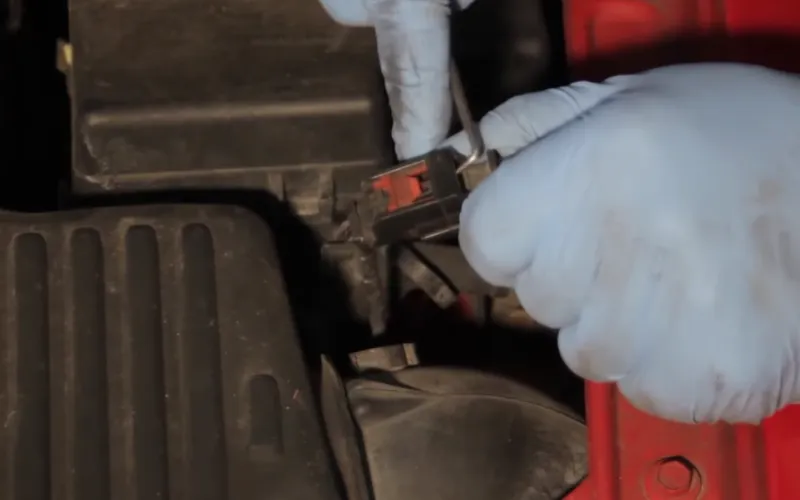
Once you confirm the IAT sensor has failed, replace it. If IAT1 is built into the MAF, you will replace the MAF sensor assembly. Match the part to your truck’s VIN when you order it. Here are the basic steps:
Step 1: Don’t rush. Make sure the engine is off. Start only after the engine is cool.
Step 2: Disconnect the negative battery terminals first. Then locate the sensor and disconnect any hose and wiring attached to it.
Step 3: If bolts or screws hold the sensor in place, remove them. Gently pull the sensor out. You may need a ratchet and socket with an extension.
Step 4: Install the new sensor in reverse order and reconnect the battery terminals. Clear the code and confirm the IAT reading looks normal in live data.
3. Remove the Clog From the Air Filter
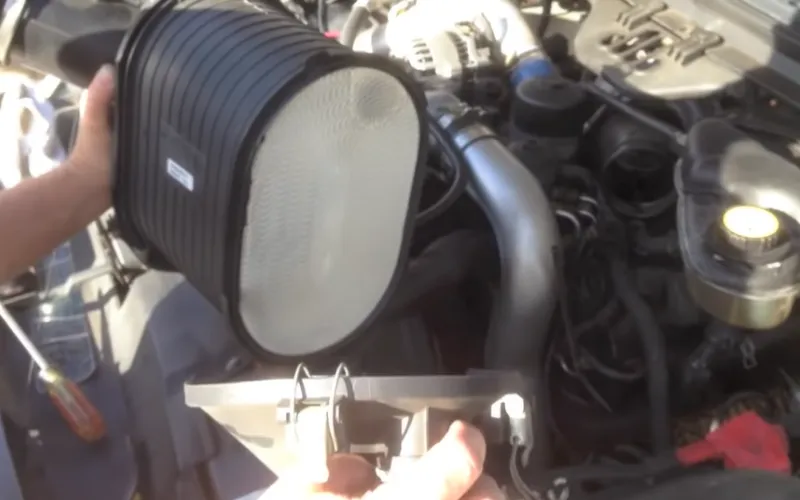
A clogged air filter is less likely to set P0113 by itself, since P0113 is an electrical fault. Still, a dirty filter hurts airflow, and you will be in the air box anyway. There are two ways to deal with it: replace the filter or clean it.
Replacing the filter is a simple DIY job. Many stock paper filters are meant to be replaced, not washed. If you have a washable filter, follow the filter maker’s cleaning instructions. Do not over-oil it. Here are the basic steps.
Step 1: Learn the location of the filter. The air filter on the Powerstroke 6.0 is located on the driver’s side. It is easy to identify since the filter element itself is a large, black, cylindrical box.
Step 2: Remove all the clips. There are 4 metal clips that hold the filter in place.
Step 3: Remove the filter. Install a new one, or apply air filter cleaner if the filter is washable.
Step 4: Clean every inside and outside surface and let it dry fully.
Step 5: Reassemble everything. Make sure the MAF connector is still plugged in.
4. Check And Replace the PCM
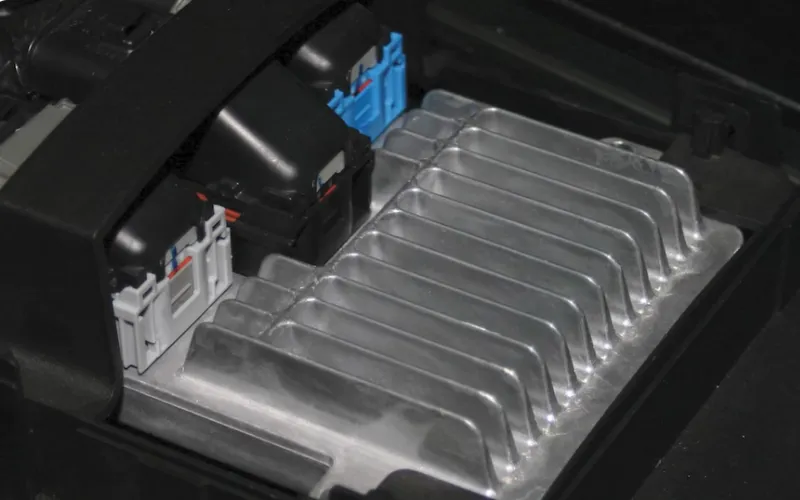
It is the least likely cause, but a faulty PCM can set P0113 on the 6.0 Powerstroke. Rule out the sensor and wiring first. Reprogramming the PCM may solve the problem. In some cases, the PCM may need to be replaced, which is a costly repair.
If you want to replace the PCM, here is a step-by-step guide for the Powerstroke 6.0. We still suggest checking the service manual for a detailed wiring diagram. A replacement PCM may need to be programmed to your truck.
Step 1: Before going into the next step, disconnect both negative battery cables. Also remove the positive battery cable on the driver side. You will need an 8 mm socket.
Step 2: Once the battery is removed, you will be able to reach the PCM mounted on the driver side fender.
Step 3: Now remove all the PCM connectors. These connectors usually use clips. Once you release the clip, pull the connector.
Step 4: After all the connectors are removed, remove the PCM. There are two 10 mm fasteners on the firewall and grille side, and the bottom of the PCM is secured by a small clip.
Step 5: Before you install a new PCM, check all the wiring from the three connectors. These wires might be damaged. If so, repair all the wiring before replacing the PCM.
Step 6: Now install the PCM by doing everything in reverse. Reinstall the clip and reconnect the battery cables. Your PCM is all set.
How Much Does It Cost To Fix The 6.0 Powerstroke p0113 Code?
The cost depends on the cause. A loose connector costs almost nothing. A new sensor or MAF assembly, wiring repair or a PCM costs more. Shops usually charge by the hour. In the 2025 PartsTech Report cited by AAA, almost half of US shops charge $120 to $159 per hour for labor (AAA). Rates range from under $100 to over $200 per hour depending on where you live.
On top of labor, you pay for any parts, such as a sensor or wiring repair materials. Ask the shop for a written estimate before the repair starts. Ask whether the diagnosis fee is credited toward the repair.
If you do it yourself, you skip the labor cost. You still pay for tools and replacement parts. A scan tool with live data and a multimeter are useful for many other jobs too.
Can You Drive Your 6.0 Powerstroke With Code P0113?
Usually yes, for short trips, but get it fixed soon. P0113 does not cause engine overheating. The risk is that the PCM uses a false “very cold air” reading and miscalculates fueling.
That can mean harder starts, rough running and lower fuel economy. If the truck runs poorly, smokes heavily or other codes appear, stop driving it and diagnose it right away. Otherwise, plan the repair instead of driving for a long time with the code set.
Will P0113 Cause a Failed Emissions Test?
It can. In areas that run OBD-based inspections, a lit check engine light with a stored code commonly leads to a failed test. Rules for diesel and heavy-duty trucks vary by state. Check your state’s inspection rules, and fix the code before your test date. After the repair, drive the truck enough for the monitors to reset before you go in.
FAQs
We have covered the main points about code P0113 on the Powerstroke 6.0. You might still have a few questions. Here are some frequently asked ones.
What Other Codes Are Related To P0113?
There can be some other codes that are associated with the P0113. These codes may appear with P0113 in your scan tool. P0111, P0112, and P0114 codes are such codes that may come with P0113 on powerstroke 6.0.
Where Does Intake Temperature Sensor Located In The Powerstroke 6.0?
On many 6.0 Powerstroke trucks, IAT1 is built into the mass airflow (MAF) sensor in the intake tube, and a second sensor (IAT2) sits elsewhere in the intake. Locations can vary by year and model, so confirm them in the Ford service manual for your truck.
Is A Mass Air Flow Sensor The Same As An Intake Air Temperature Sensor On A Powerstroke 6.0?
No. They measure different things. The mass air flow sensor measures how much air enters the engine. The intake air temperature sensor measures the temperature of that air. Both are part of the engine management (fuel and air) system, not the cooling or heating system. On many 6.0 trucks, the IAT1 sensor is built into the MAF sensor housing.
Conclusion
That covers P0113 on the Powerstroke 6.0. A few things to remember. First, the code means the IAT circuit voltage is too high, and live data often shows about -40°F. Check the connector and wiring before you buy a sensor. Second, the DIY approach needs a scan tool, a multimeter and the wiring diagram. If you don’t have them, a mechanic is the better choice.
Third, don’t panic. This is a common code. When it appears, learn what it means, understand how serious it is, and plan the fix.
We hope this guide helps you decide your next step. You can also read more about other 6.0 Powerstroke trouble codes below.
- Read Also>>P0341 6.0 Powerstroke: CPM To PCM Signal Not Recognised
- Read Also>>P0261 6.0 Powerstroke: Cylinder 1 Fuel Injector Malfunction
- Read Also>>P0402 6.7 Powerstroke: Exhaust Gas Recirculation Flow High
- Read Also>>P0263 6.0 Powerstroke: Cylinder Number 1 Produce Low Energy
- Read Also>>P132B 6.0 Powerstroke: Turbochargers Boost Control ‘A’ Issue
