
Quick answer: Avoid the 2003 and 2010 Acura TL first. CarComplaints.com names 2010 the worst year, mainly for excessive oil consumption, while the 2003 is known for transmission failure and recalled cars carry a Takata airbag stop-drive warning. The 2005, 2006, and 2007 are also risky. The 2013 is the safest pick here.
The Acura TL was once an underappreciated premium sedan that provided excellent value in comparison to its German competitors.
Despite its conservative design, it was widely seen as a dependable and fun automobile during its run. It does, however, have its flaws.
The 2003 TL is one of the riskiest years to buy because of its severe transmission problem. The 2010 draws the most concern for engine oil use.
Continue reading to find out more about the Acura TL and make a proper decision.
Acura TL Years to Avoid (List of Years)
Some TL years have far more reported trouble than others. Transmission failure is the top complaint on the 2003 Acura TL, and there’s no disputing that some years are simply worse than others.
These are the Acura TL years to stay away from if you’re looking for a used car:
- 2003 Acura TL
- 2005 Acura TL
- 2006 Acura TL
- 2007 Acura TL
- 2010 Acura TL
Owners have submitted 414 complaints to CarComplaints.com for the TL across all model years. The site’s top three listed problems are excessive oil consumption (2010), transmission failure (2003), and cracked dashboard (2006).
Many of the transmission concerns are about sloppy gear shifting or outright failure.
Some drivers have also reported the vehicle shaking or vibrating during acceleration. Peeling clear coat is another complaint worth checking for on any used TL.
Which Acura TL Years Are Best and Worst? (Quick Comparison)
Use this table as a starting point. Complaint counts were checked in November 2026 and can change. “Not rated” means the research for this guide did not confirm a clear pattern for that year, good or bad.
| Model year | Main reported problems | Verdict |
|---|---|---|
| 2002 | Transmission complaints; Takata airbag recall on affected 3.2 TLs | High caution |
| 2003 | Transmission failure; Takata airbag recall on affected 3.2 TLs | Avoid |
| 2004 | Dashboard cracks on some cars | Inspect closely |
| 2005 | Cracked dashboard, transmission, in-car entertainment | Avoid |
| 2006 | Interior problems, cracked dashboard, battery drain | Avoid |
| 2007 | Transmission hesitation, electrical and interior problems | Avoid |
| 2008 | No clear pattern confirmed | Not rated; inspect first |
| 2009 | Cracking paint, high oil consumption | Buy with care |
| 2010 | Excessive oil consumption, airbag warning light | Avoid |
| 2011 | No clear pattern confirmed | Not rated; inspect first |
| 2012 | No clear pattern confirmed | Not rated; inspect first |
| 2013 | Only 5 complaints on CarComplaints.com | Best pick |
| 2014 | Final model year, no listed changes | Reasonable alternative to 2013 |
What Is the Worst Year for the Acura TL?
CarComplaints.com names the 2010 TL as the worst model year. The main reason is excessive engine oil consumption.
The 2003 is the bigger worry if your main fear is a failed transmission. Repairing that can cost thousands of dollars. An unrepaired Takata airbag recall makes a 2002 or 2003 3.2 TL unsafe to drive at all.
2003 Acura TL Problems:
The transmission is the most problematic component of the Acura TL. Among the 2000-2010 model years checked, the 2003 TL has the most transmission complaints on CarComplaints.com, with 38 versus 18 for the 2002.
NHTSA’s numbers are nearly tied, and the 2002 is slightly ahead with 188 transmission complaints versus 180 for the 2003. Treat both years with the same caution.
CarComplaints.com gives 2003 TL transmission failure a severity rating of 9.0, which it labels “really awful.”
Shifting to lower speeds, slipping between gears, and sticking as the driver moves between gears are all known concerns. The transmission may fail and enter safe mode in the worst-case situation. The car can jerk all over the road as well.
2005 Acura TL Problems:
The 2005 Acura TL is yet another year to avoid. Owners have reported cracked dashboards, transmission failures, and in-car entertainment problems.
Dashboard cracks are a known problem on this year, often around the passenger-side airbag.
This issue is unsightly, and a crack over the airbag area deserves a closer look. If the airbag light stays on, have the system scanned by a shop. The most usual (and most expensive) solution is to completely replace the dashboard.
2006 Acura TL Problems:
According to CarComplaints.com, this 2006 Acura TL model has over 350 complaints. Interior accessory issues are the most common complaint. Electrical issues cannot be overlooked.
2007 Acura TL Problems:
The 2007 is another TL to skip. One of the main reasons is transmission hesitation. Electrical and interior problems add to the risk.
For these reasons, more than 150 complaints have been recorded against this model.
2010 Acura TL Problems:
According to CarComplaints.com, the 2010 Acura TL is the worst model year. Its excessive oil consumption with no visible leaks is the main reason to avoid it.
Defective brake rotors also appear on the site, with a severity rating of 10.0, labeled “really awful.” That score comes from a single complaint, so it does not show a widespread defect.
In that report, the front wheels began to vibrate and the brake rotors turned out to be the source. The airbag warning light is another 2010 issue. Owners had to take their cars in to deal with the light after 48,000 miles on average.
What Makes These Acura TL Years Worth Avoiding?
The Acura TL is a powerful luxury sedan, but it has the second-highest complaint total of any Acura on CarComplaints.com. The TL has 414 complaints, just behind the MDX with 420. If you’re also shopping for an SUV, see our guide to Acura MDX years to avoid.
Let’s take a closer look at each of these concerns, focusing on some of the details within each one and discussing which models were more susceptible to the problems. The more information you have, the better decision you will be able to make when purchasing your next used Acura TL.
1. Do Acura TLs Have Transmission Problems?
Yes. Transmission failure is one of the most reported TL problems, and the 2002 and 2003 stand out among the 2000-2010 model years checked.
The Acura 3.2TL first went on sale for the 1996 model year, alongside the 2.5TL. The redesigned second-generation 3.2TL arrived for 1999.
A failed transmission is often an expensive fix. Owner-reported average costs on CarComplaints.com run about $1,800 to $3,500, depending on model year. Your quote may differ. There’s also no guarantee that the repaired transmission won’t have the same issue.
2. Electrical Issues
The 2006 Acura TL has the most electrical complaints of any TL model year.
Many 2006 TL drivers have reported battery drain issues that resulted in the car being unable to start due to a dead battery. An electrical device draining power even when it was shut off was the source of the problem in some circumstances. The problem is usually solved by disconnecting this malfunctioning component.
3. Engine Troubles: Why Does an Acura TL Burn Oil?
Owners of 2009 and 2010 TLs report high oil use, and 2010 owners describe oil loss with no visible leaks. The complaint data does not confirm one single cause.
In any engine, oil that vanishes without a leak is usually being burned. A shop can run compression or leak-down tests and check the crankcase ventilation system to narrow it down.
The engine in the 2010 Acura TL is praised by owners for performing like that of race cars. However, many of them have expressed concern about how quickly the engine devoured oil.
They had to top up the oil regularly between changes. They detected no signs of leaks or blowouts when they examined the engines.
Because of insufficient lubrication, the engine’s parts wore down faster if the drivers failed to replenish the oil on time.
Damaged parts can create a variety of engine difficulties, which can lead to the engine’s failure. A malfunctioning oil sensor caused the driver to be unaware that the engine was low on oil in at least one case.
4. Interior Accessories Issues
The area around the passenger-side airbag is frequently where the first cracks appear. More cracks may appear on the dashboard as time goes on.
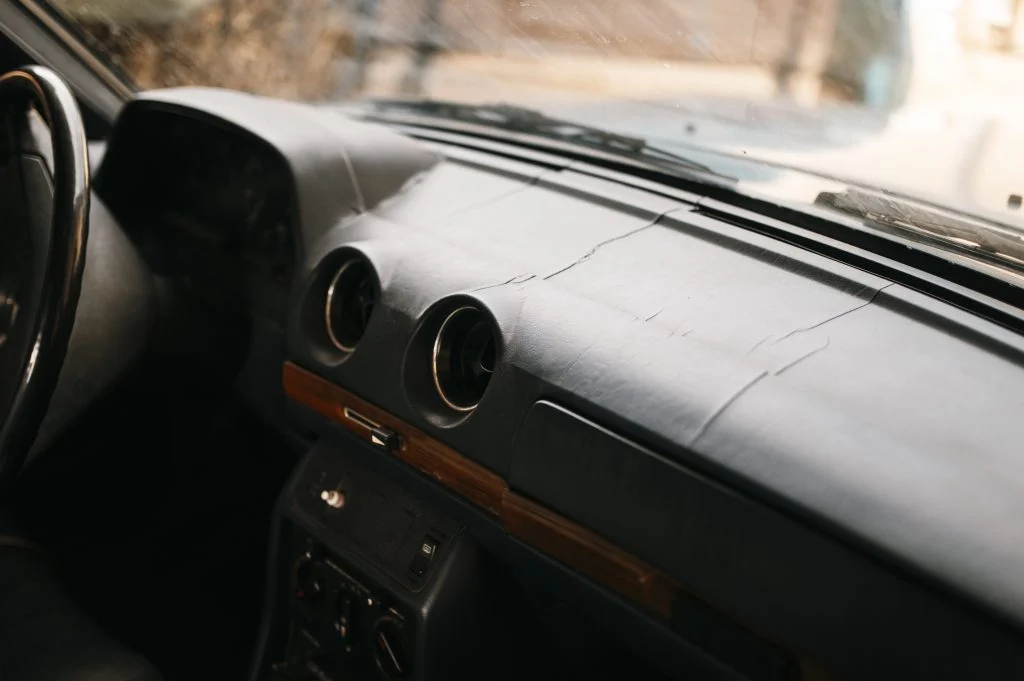
The complaint data does not establish whether a crack can affect how the airbag works. Have a shop inspect any crack over the airbag, especially if the warning light is on.
Unfortunately, ugly fractures in the dashboard might detract from the aesthetic of the panel.
This issue isn’t specific to the 2006 model year. The dashboards of some Acura TL sedans from 2004 and 2005 can also develop cracks. These cracks are also common around the passenger side airbag.
How Do I Check Whether My Acura TL Has an Open Airbag Recall?
Enter the car’s 17-character VIN into a recall lookup tool. It takes a few minutes and should be your first step before buying any used TL.
- Find the VIN on the driver-side dashboard, the door jamb sticker, or the registration.
- Enter it at recalls.acura.com or at NHTSA’s recall lookup.
- If a recall shows as open, contact an Acura dealer to schedule the repair.
- Ask the seller for proof of any completed recall work.
Warning for 2002-2003 3.2 TL owners: On February 3, 2023, Honda told owners of recalled cars with Takata inflators to stop driving until the free repair is done. Honda offers free towing or mobile repair where available, plus a free loaner or rental if needed.
This is the one model-year-specific airbag action confirmed for this guide. Other years can still have open recalls, so run the VIN on any TL you’re considering.
Did Honda Issue Recalls or Warranty Extensions for These Problems?
For the transmission, yes, but that coverage is over. For oil consumption and dashboards, the research for this guide did not confirm any recall or warranty extension.
Transmission
CarComplaints.com reports that Honda settled a class action in 2006 by extending the transmission warranty on some TLs to 93 months or 109,000 miles. It also says Honda fixed some cars in a 2004 recall by changing the oil cooler return line. The extended coverage has since expired, so don’t count on it for a used purchase.
Is a Cracked Acura TL Dashboard Covered by a Recall or Warranty?
Assume it is not. No dashboard recall or warranty extension was confirmed in the sources for this guide, and these cars are well past their original factory coverage. Run the VIN and ask an Acura dealer before you pay for a replacement.
Which Acura TL Years are Safe to Buy?
Now that you’ve realized which Acura TL years to avoid, you can focus on the models that make more sense pre-owned. The 2013 has the strongest case as the most reliable TL year in this guide.
2009 Acura TL
The 2009 Acura TL was the first of the fourth and final generation. It’s a buy-with-care choice, not a sure thing.
When it comes to issues, cracking paint and high oil consumption are two of the most typical issues with this vehicle. Check the paint closely and ask how much oil the car uses between changes.
2013 Acura TL
The 2013 Acura TL has only 5 complaints on CarComplaints.com, compared with more than 350 for the 2006.
This is the Acura TL to look for on the used market. Front-wheel-drive models use a 280-horsepower 3.5-liter V6, while SH-AWD models use a 305-horsepower V6.
The research for this guide did not confirm a reliability difference between FWD and SH-AWD. Choose based on your climate and power needs, and judge each car by its condition and records.
2014 Acura TL
Acura’s chronology lists 2014 as the TL’s final model year, with no changes. That makes it a reasonable alternative if you can’t find a good 2013. Run the same checks on it as you would on any older car.
What About the 2004, 2008, 2011, and 2012 TL?
These years have no firm verdict here. The 2004 can develop the same dashboard cracks as the 2005 and 2006. For 2008, 2011, and 2012, the research did not confirm a clear pattern, so let the inspection and service records decide.
Which Model Years Did the Acura TL Cover?
The TL ran from the 1996 model year through 2014. Acura then replaced it with the all-new 2015 TLX midsize sports sedan, according to Acura’s model chronology.
- 1996: The 2.5TL and 3.2TL go on sale.
- 1999: The redesigned second-generation 3.2TL arrives.
- 2009: The fourth and final generation begins.
- 2014: The TL’s final model year.
- 2015: The TLX takes over.
How Much Should You Trust TL Complaint Counts?
Use complaint data to spot patterns, not to score a single car. It shows what owners chose to report, and it has clear limits.
- Severity can rest on very little data. The 2010 brake rotor rating of 10.0 comes from one complaint.
- Raw totals ignore sales volume. A year that sold more cars can look worse simply because more owners could complain.
- Sites count differently. The 2003 leads for transmission complaints on CarComplaints.com, while the 2002 leads narrowly at NHTSA.
- A low count is not a guarantee. Even a 2013 can be a bad car if it was neglected.
What Should You Check Before Buying a Used Acura TL?
Focus on the four problems that cost the most or matter most for safety: recalls, transmission, oil use, and the dashboard.
- Run the VIN. Do not buy a 2002-2003 3.2 TL with an open Takata recall until the repair is done.
- Ask for records. Look for transmission work, fluid changes, and regular oil changes.
- Check the oil. A low or dirty dipstick is a warning sign, especially on a 2009 or 2010.
- Test the transmission. Drive in city traffic and on the highway. Watch for slipping, hesitation, jerking, or sticking between gears.
- Inspect the dashboard. Look closely around the passenger-side airbag cover, especially on 2004-2006 cars.
- Watch the warning lights. The airbag light should come on at startup and then go out.
- Test the brakes. Note any front-end vibration when slowing from highway speed.
- Check the battery and paint. Ask about dead-battery episodes, and look for cracking paint or peeling clear coat.
- Pay for an independent inspection. Have a mechanic scan for stored codes and check for leaks.
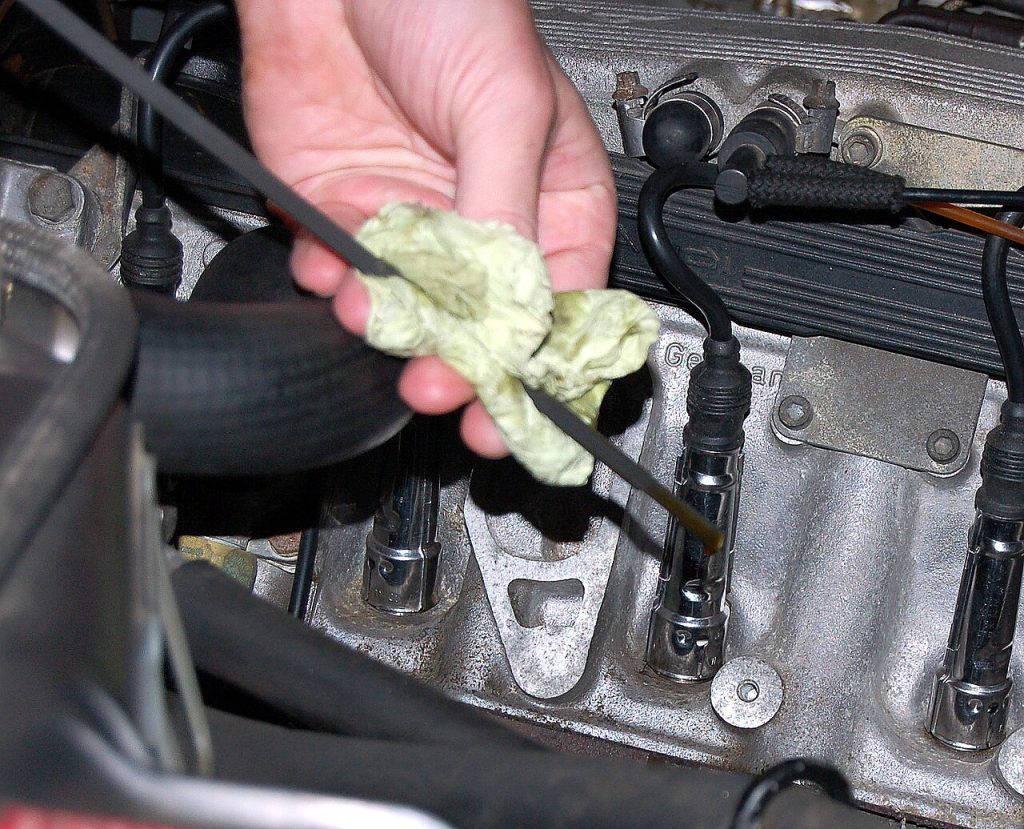
Walk away if the transmission slips or jerks on the test drive, or the seller won’t let a mechanic see the car. If an older TL has no transmission history, set aside $1,800 to $3,500 for a possible repair or negotiate the price to reflect that risk.
Are Acura TLs Expensive to Maintain?
The biggest cost risk is the transmission. Owner-reported averages run about $1,800 to $3,500, which can be a large share of an older TL’s value.
No verified average costs were available for dashboard replacement, brake rotors, or oil consumption repairs. Get a written quote before you buy if the car shows any of these problems, and subtract it from your offer.
How Many Miles Can an Acura TL Last?
There is no reliable single number. The sources for this guide do not publish a lifespan figure, and a well-kept TL with high miles can be a better buy than a neglected one with low miles.
These habits matter most for keeping one on the road:
- Check the oil at least monthly. Check more often on a 2009 or 2010, and keep a spare quart in the car.
- Track oil use. Write down the mileage and how much you add. A sudden increase is worth a shop visit.
- Follow the owner’s manual for transmission fluid. Use the interval and fluid type it lists for your model year.
- Act on early symptoms. Have slipping, hesitation, or a stuck airbag light checked right away.
Conclusion
It might be difficult to choose the optimum year when purchasing a secondhand vehicle. You could end up squandering your money if you choose the wrong model.
Although the TL has a few flaws, the 2013 has very few recorded complaints, and the 2009 can work if its oil use checks out. We’ve reviewed the worst years and some of the most common difficulties owners have raised over time, as well as the better years to shop for. Whichever year you choose, run the VIN and get an independent inspection first.
Related Posts:
- Which Acura TSX Years You Should Avoid and Why? (Explained)
- Which Acura RDX Years to Avoid and Why? (Explained)
- Which Acura MDX Years to Avoid and Why? (Explained)
Frequently Asked Questions About the Acura TL
What is the most reliable Acura TL year?
The 2013 Acura TL has the strongest case as the most reliable year in this guide. It has only 5 complaints on CarComplaints.com, compared with more than 350 for the 2006. A low count is no guarantee, so check the service records and get an independent inspection before buying.
Is the 2009 Acura TL a good used buy?
The 2009 Acura TL is a buy-with-care choice, not a sure thing. Owners most often report cracking paint and high oil consumption. Check the paint closely, ask how much oil the car uses between changes, and pull the dipstick. A low or dirty reading is a warning sign.
Is the 2014 Acura TL worth considering?
Yes, the 2014 Acura TL is a reasonable alternative if you can’t find a good 2013. Acura’s chronology lists it as the TL’s final model year, with no changes. Run the same checks you would on any older car, including a VIN recall lookup and an independent inspection.
Is the SH-AWD Acura TL more reliable than the FWD version?
No reliability difference between the FWD and SH-AWD 2013 Acura TL was confirmed in the research for this guide. Front-wheel-drive models use a 280-horsepower V6, while SH-AWD models use a 305-horsepower V6. Choose based on your climate and power needs, then judge each car by its condition and records.
Can I drive a 2002 or 2003 Acura TL with an open Takata recall?
No, you should not drive a recalled 2002 or 2003 Acura 3.2 TL until the free repair is done. On February 3, 2023, Honda told owners of recalled cars with Takata inflators to stop driving. Honda offers free towing or mobile repair where available, plus a free loaner or rental if needed.
Is the extended Acura TL transmission warranty still valid?
No, the extended transmission warranty on some Acura TLs has expired. CarComplaints.com reports that Honda extended coverage to 93 months or 109,000 miles after a 2006 class action settlement. Don’t count on it for a used purchase, and set aside $1,800 to $3,500 if the car has no transmission history.
